
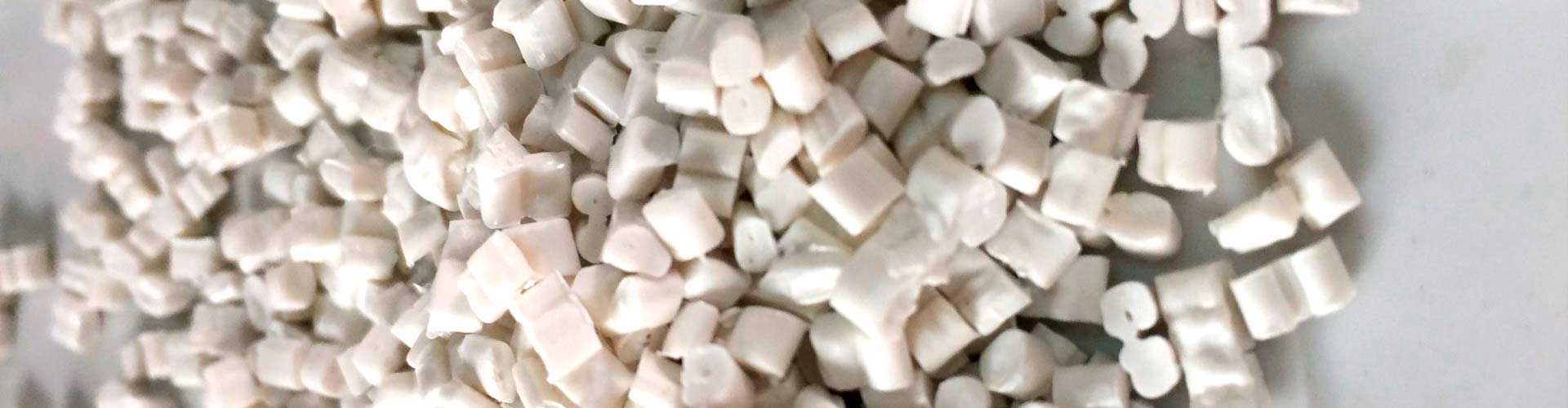
Plastic injection moulding offers a manufacturing process that is not only simpler and more reliable than other moulding methods, but also much more efficient.
This article discusses six of its main advantages:
1. High efficiency and fast production
This process is extremely fast compared with other methods, making it more cost-effective at high production volumes. Cycle time depends on mould size and complexity, but a typical range is 15 to 120 seconds.
Injection moulders can also achieve tolerances as fine as ±0.001 inches in some designs.
2. Complex part design
Injection moulding can produce extremely complex, uniform geometries and replicate the mould across millions of identical parts. Good part design is essential to avoid costs arising from processing and manufacturing errors.
3. Improved part strength
Strength is a key consideration when designing injection-moulded plastic parts. Designers must know whether a part needs to be flexible or rigid so they can adjust the ribs and integrated reinforcements. Intended use and operating environment must also be considered before production.
The material and a thorough understanding of these requirements play an important role in the strength of the finished part.
4. Flexibility, materials and colours
Choosing the right materials and colours is essential when making plastic parts. With such a wide range available, the possibilities are almost limitless.
Injection moulding is built around flexibility. It gives manufacturers considerable design freedom, especially compared with metal.
It is also important to make sure the selected material meets requirements for impact, heat, water and tensile resistance, as well as elastic modulus.
5. Less waste
Injection moulding generates some excess plastic during production, so recycling this material should be an important part of the manufacturing process. Sustainability is a priority for companies such as Totemplast.
6. Low costs
Labour costs in plastic injection moulding are usually low compared with other methods, because the process is largely automated.
Injection moulding equipment often operates with automated systems that streamline operations and maintain continuous production with minimal supervision.